How to Use Signal for Disability Support
Signal is a secure, user-friendly messaging app that can be a valuable tool for people with disabilities and their support networks. Whether you're coordinating care, sharing important information, or simply staying connected, Signal offers privacy and accessibility features that make communication easier and safer. In this guide, we'll explore practical ways to use Signal for disability support, including setup tips, accessibility features, and ways to optimize your experience.
Getting Started with Signal: A Step-by-Step Setup
Before diving into using Signal for disability support, you'll need to install and set up the app. Signal is available for iOS, Android, Windows, Mac, and Linux, making it accessible on multiple devices.
- Download and install Signal: Visit signal.org/download and select the version compatible with your device.
- Register your phone number: Open the app and enter your phone number. Signal uses phone numbers as identities, but messages are end-to-end encrypted and private.
- Verify your number: You'll receive a verification code via SMS. Enter the code to complete registration.
- Set up a PIN: Signal prompts you to create a PIN, which secures your profile and enables data recovery. This step is important for maintaining access, especially if you switch devices.
- Allow necessary permissions: Grant Signal access to contacts and notifications to ensure smooth communication.
Using Signal’s Accessibility Features
Signal is designed with accessibility in mind, helping users with a variety of disabilities communicate effectively.
- Screen Reader Support: Signal works well with screen readers like VoiceOver on iOS and TalkBack on Android. This is essential for users with visual impairments.
- High Contrast and Dark Mode: To reduce eye strain, especially for users with low vision or light sensitivity, Signal supports dark mode. You can enable it by going to Settings > Appearance and selecting Dark Theme.
- Customizable Text Size: Signal respects the system's text size settings. Increasing font size on your device will make messages easier to read.
- Haptic Feedback: For users with hearing impairments, enabling vibration alerts in Settings > Notifications can help you notice incoming messages without sound.
Practical Ways to Use Signal for Disability Support
Signal can be a powerful communication tool for people with disabilities and their support teams. Here are some practical ways to use it effectively:
1. Coordinate Care and Appointments
Use Signal groups to organize caregivers, family members, therapists, and medical professionals. Group chats allow everyone involved to stay informed about schedules, medication reminders, and changes in care plans.
- Create a group by tapping the pencil icon (new message), then selecting “New Group.”
- Add relevant contacts who support you.
- Pin important messages such as appointment dates or medication instructions for easy reference.
2. Share Multimedia for Better Understanding
Sometimes explaining a symptom or a need is easier with pictures or voice messages.
- Send photos or videos to visually communicate issues like rashes, mobility problems, or home safety concerns.
- Use voice messages if typing is difficult. Simply tap and hold the microphone icon in the chat to record and send audio messages.
3. Utilize Signal’s Privacy for Sensitive Conversations
Privacy is crucial when discussing health or personal matters. Signal’s end-to-end encryption ensures that only you and your intended recipients can read your messages.
- Use disappearing messages for sensitive info, which automatically delete after a set time. To enable this, tap the contact or group name, select "Disappearing Messages," and choose a duration.
- Lock your Signal app with a PIN or biometric authentication to prevent unauthorized access.
Additional Tips for Maximizing Signal in Disability Support
- Use Signal’s Desktop or Tablet Apps: This is helpful if typing on a phone is challenging. The desktop app syncs with your mobile device to provide a larger screen and keyboard.
- Enable Notifications Wisely: Customize notifications to avoid overload but ensure you don’t miss critical messages. You can mute non-urgent group chats and highlight key ones.
- Teach Support Team Members: Ensure everyone involved knows how to use Signal effectively. Point them to Signal’s official help center at support.signal.org for tutorials and troubleshooting.
- Back Up Contacts Securely: Keep your contact list updated to avoid communication gaps. Remember, Signal doesn’t store your messages on servers, so backups are on your device only.
Using Signal for disability support can enhance communication, safeguard privacy, and simplify coordination. Its accessibility features and secure messaging environment make it a reliable choice for individuals and care teams.
在【signal官网】,我们坚信隐私保护是一项基本人权。这也是为什么我们不断努力,通过社区互动与技术创新,为您提供最安全的通讯体验。今天,我们很高兴地宣布几项重大更新,这些更新将进一步提升您的使用体验。
强大的端到端加密
与往常一样,您的所有消息、语音和视频通话都受到业界领先的开源 Signal 协议的保护。我们无法读取您的消息,其他人也无法读取。这种加密不仅限于文字,还包括您分享的图片、视频和文件。
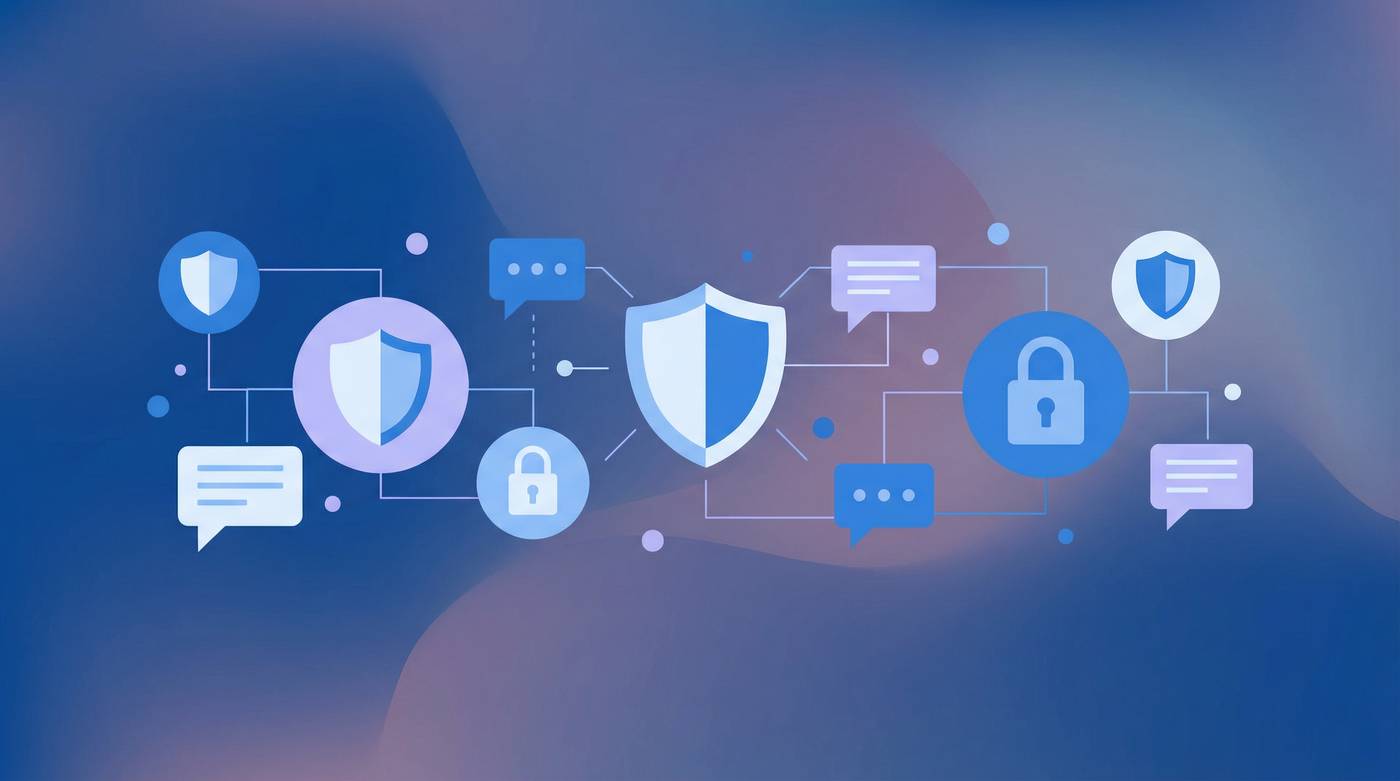
"隐私并非可选项,它是【signal官网】运作的基础。每一条消息,每一次通话,无一例外。"
社区互动的新方式
通过听取社区的反馈,我们引入了全新的加密贴纸功能。现在您可以:
- 使用默认的生动贴纸包表达情感
- 创建并分享您自己的个性化贴纸
- 所有贴纸在传输过程中均被完全加密
加入我们,共同成长
【signal官网】是一个由用户支持的非营利组织。我们没有广告,也没有追踪器。我们的发展完全依赖于像您一样重视隐私的人们的捐赠和支持。感谢您与我们一起,为建立一个更安全的数字世界而努力。